Publication Ethics

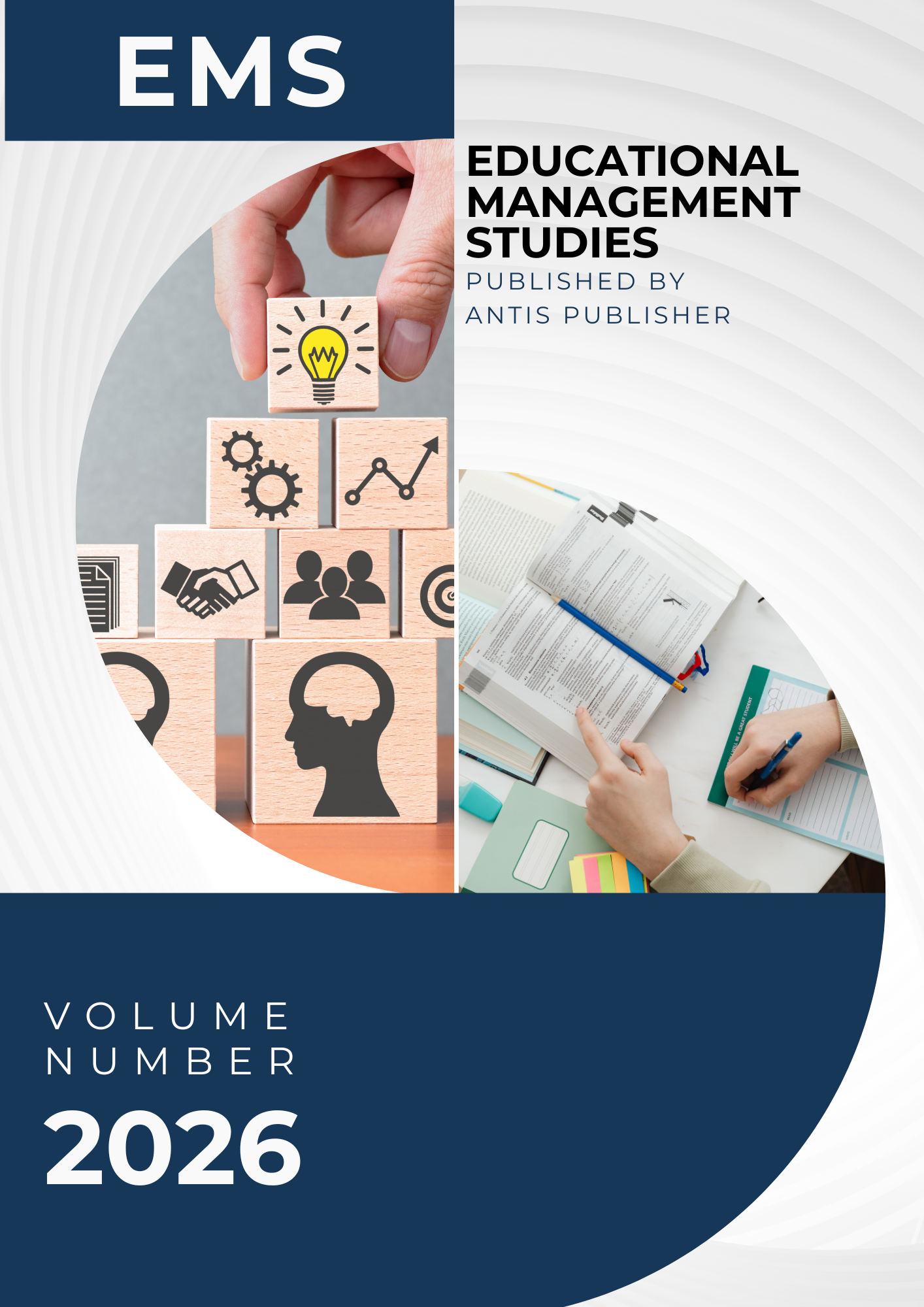
Educational Management Studies (EMS)

Educational Management Studies (EMS) is committed to upholding the highest standards of publication ethics and academic integrity. The journal follows the ethical principles recommended by the Committee on Publication Ethics (COPE) to ensure transparency, fairness, and responsibility in scholarly publishing.


1. Ethical Responsibilities of Authors

Authors submitting manuscripts to EMS must ensure that:

  • The work is original and has not been published elsewhere

  • The manuscript is not under consideration by another journal simultaneously

  • Proper citation and acknowledgment of sources are provided

  • All listed authors have made significant contributions to the research

  • Data and results are presented honestly without fabrication or falsification

Plagiarism, data manipulation, and unethical research practices are strictly prohibited.


2. Responsibilities of Editors

Editors of EMS are responsible for:

  • Evaluating manuscripts fairly based on academic merit

  • Ensuring confidentiality throughout the review process

  • Avoiding conflicts of interest in editorial decisions

  • Making publication decisions independent of commercial or personal influence

  • Taking appropriate action in cases of ethical misconduct

The Editor-in-Chief has the final authority on all publication decisions.


3. Responsibilities of Reviewers

Peer reviewers play a vital role in maintaining the quality of EMS publications. Reviewers are expected to:

  • Conduct reviews objectively and constructively

  • Maintain confidentiality of manuscripts under review

  • Declare any conflicts of interest

  • Identify relevant published work not cited by authors

  • Report suspected ethical issues, plagiarism, or duplicate publication


4. Peer Review Integrity

EMS applies a double-blind peer review process to ensure unbiased evaluation. Both authors and reviewers remain anonymous during the review process.

All submissions are reviewed for originality, quality, relevance, and contribution to the field.


5. Plagiarism and Similarity Checking

All manuscripts submitted to EMS are screened for plagiarism using similarity detection tools. Manuscripts with significant overlap or unethical citation practices will be rejected.


6. Conflict of Interest

All authors, editors, and reviewers must disclose any financial, institutional, or personal relationships that could influence the research or editorial decision-making process.


7. Research Misconduct

EMS takes research misconduct seriously, including:

  • Plagiarism

  • Data fabrication or falsification

  • Duplicate submission or publication

  • Improper authorship practices

If misconduct is suspected, the journal will investigate according to COPE guidelines and may issue corrections, retractions, or bans on future submissions.


8. Retraction and Correction Policy

EMS reserves the right to publish corrections, clarifications, or retractions if errors or ethical violations are identified after publication.


9. Copyright and Licensing

Authors retain copyright of their work while granting EMS the right to publish and distribute the article under the journal’s licensing terms.


10. Commitment to Ethical Publishing

Educational Management Studies (EMS) is dedicated to promoting ethical academic publishing and ensuring that all published research contributes responsibly to the advancement of knowledge in educational management and related disciplines.